How My LinkedIn Account Posts Three Times a Week Without Me
The pipeline behind my Mon/Wed/Fri LinkedIn posts. The rubric that does most of the work, the banned-phrase list that saved the account, and what I still do by hand.

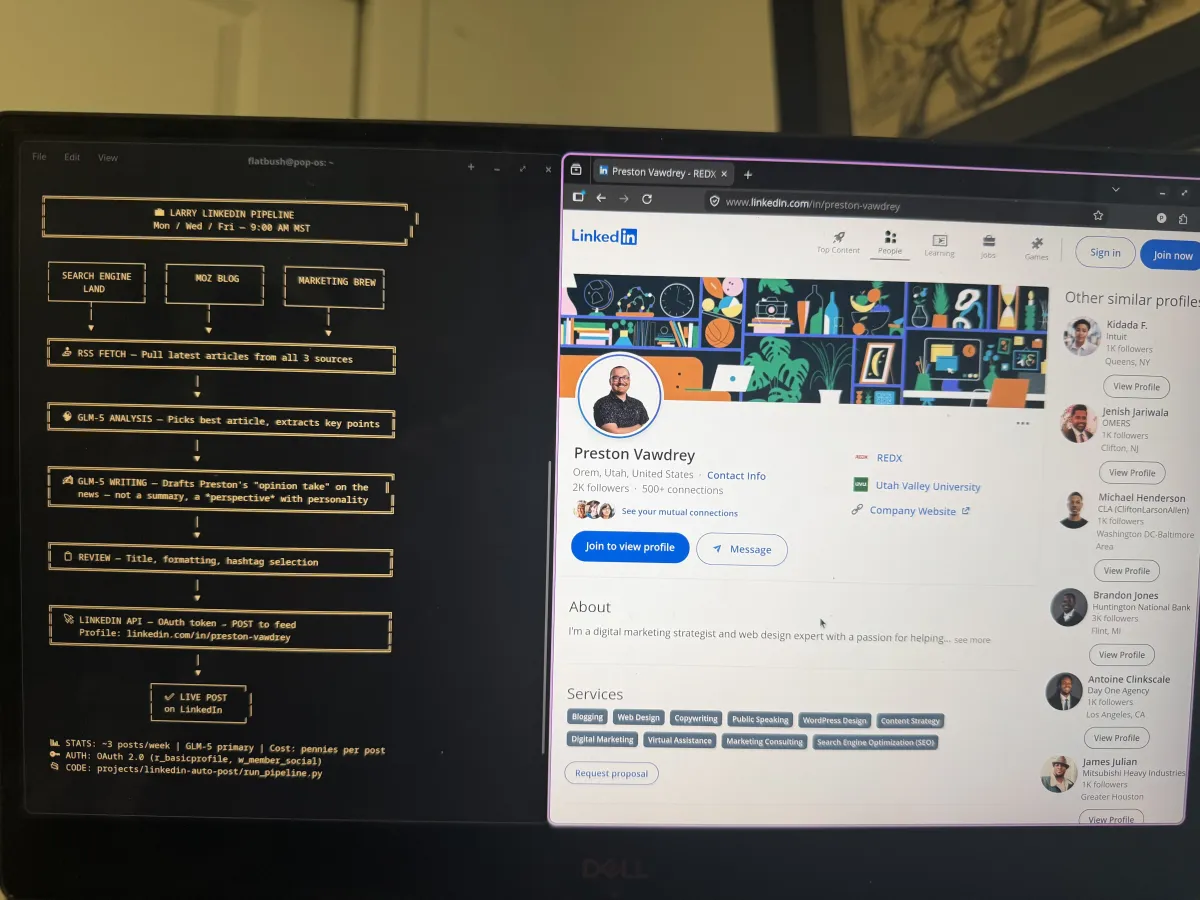
My LinkedIn posts three times a week. It posts on Mondays, Wednesdays, and Fridays. It has held that cadence through travel weeks, client crunches, the week I had a stomach flu, and the week I quietly hated everything I had written for any audience anywhere. I did not post any of those days. The pipeline did.
I want to walk through how it actually works, because the interesting part is not the automation. The interesting part is how much of the quality is locked in by a rubric that lives outside the code.
The Problem: Consistency Beats Inspiration, Every Time
Anyone who has tried to build a personal brand on LinkedIn knows the brutal version of this. Posting twelve times in two weeks then disappearing for a month does not compound. Posting three times a week for a year does. The platform rewards rhythm, not bursts. Everyone knows this. Almost nobody does it.
The reason almost nobody does it is that "post three times a week" is a job. It is research, drafting, a hook, a structure, a final pass, and the small but real act of pasting something into a text box and clicking publish. Each step is small. The whole stack is enough to make me skip it on a busy day.
The pipeline does the stack. I do the gut check.
What the Pipeline Actually Does
On post mornings the system fetches fresh signal from a handful of curated industry sources. It picks an angle worth posting on, drafts the post against the rubric, runs the draft through a banned-phrase pass, and publishes through the LinkedIn API. Then it writes what it published to a log so I can see at a glance what shipped this week.
That is the whole loop. Three times a week. No dashboard, no queue, no scheduler UI. Just a job that runs and either succeeds or alerts me that it did not.
The fanciness is all in the rubric.
The Rubric That Did Most of the Work
The rubric is adapted from Hannah Siegertsz and the She Ships SaaS framework, which I think is one of the cleanest pieces of practical content writing advice anywhere. The shape of a post that performs well on LinkedIn, in her framing, is doing several things at once.
The first line opens a loop. It does not summarize the post. It promises something that has not been said yet.
The hook mirrors a thought the reader was already half-having. If the reader scrolled to the post already wondering "is the AI Overview thing actually hurting my traffic," the hook should sound like the inside of that wondering, not like a headline.
Specific beats general every time. "I rebuilt the homepage and traffic doubled" is general. "I rewrote one paragraph above the fold last Thursday, and within four days the homepage went from ranking on page two for our category keyword to ranking on page one" is specific. The second one stops people. The first one does not.
The post is written for completion. That sounds obvious. It is not. It means the post should be readable on a phone, in a thumb scroll, without ever asking the reader to think harder than they are willing to think on LinkedIn at 9 a.m. Short paragraphs. Simple sentences. White space.
The angle has to be insightful, not just informational. Anyone can summarize an article. Almost nobody can read an article and tell you what it actually means for the person reading the LinkedIn post. The rubric forces the second one.
Posts use the word you. Posts end on a one-line question I would actually answer myself.
The pipeline enforces all of this at draft time. It does not always nail it. But it puts the floor in a place that is higher than where I would land on a tired Wednesday.
The Banned-Phrase List That Saved the Account
The other half of the rubric is what the post cannot do.
It cannot use em dashes. Em dashes are the single fastest tell of AI-written copy on LinkedIn right now. It cannot tell a fake personal story. The pipeline does not have a personal life, and pretending otherwise is the kind of thing that ends a personal brand fast if someone notices. It cannot fear-monger about a trend. It cannot use the canned phrases I see in every other AI post on the platform (you know the ones).
If you are wondering whether a banned-phrase list actually matters, this is the thing that keeps the account feeling like mine even when I did not touch the post that day. Without it, the drafts drift to the median voice of the model that generated them. With it, the drafts drift toward the floor of my voice instead.
What I Still Do (and why I won't hand that off)
I read every draft before it ships. Not edit, just read.
The reason is not quality control. The pipeline is good enough that I rarely change anything. The reason is taste. There are days when an angle is technically fine and I just do not want to be the person who posted that. There are days when a draft is borderline and I should kill it instead of shipping it. There are days when something happened in the industry that changed what is appropriate to post. The pipeline cannot read a room. I can.
So the rule is: the pipeline drafts and the human signs off. If I do not sign off, nothing posts that day. Missing one post is much cheaper than posting one bad one.
What Authority Compounding Looks Like in Practice
I did not get a viral hit out of this. I did not get a sudden inbound flood. I got something better and slower. People who have known me for years started replying to posts saying they had been reading them all along. New people in my space started recognizing my name. Two clients have told me, unprompted, that they had been following my LinkedIn for months before they reached out.
That is what authority compounding actually feels like. It is quiet. It is mostly invisible to you. It works whether or not you had a great week.
If you have been trying to do this on your own and you keep falling off the wagon, the answer is not to try harder next Monday. The answer is to put the boring part on rails and keep your judgement for the part that actually needs it.
More Notes
 Marketing Strategy
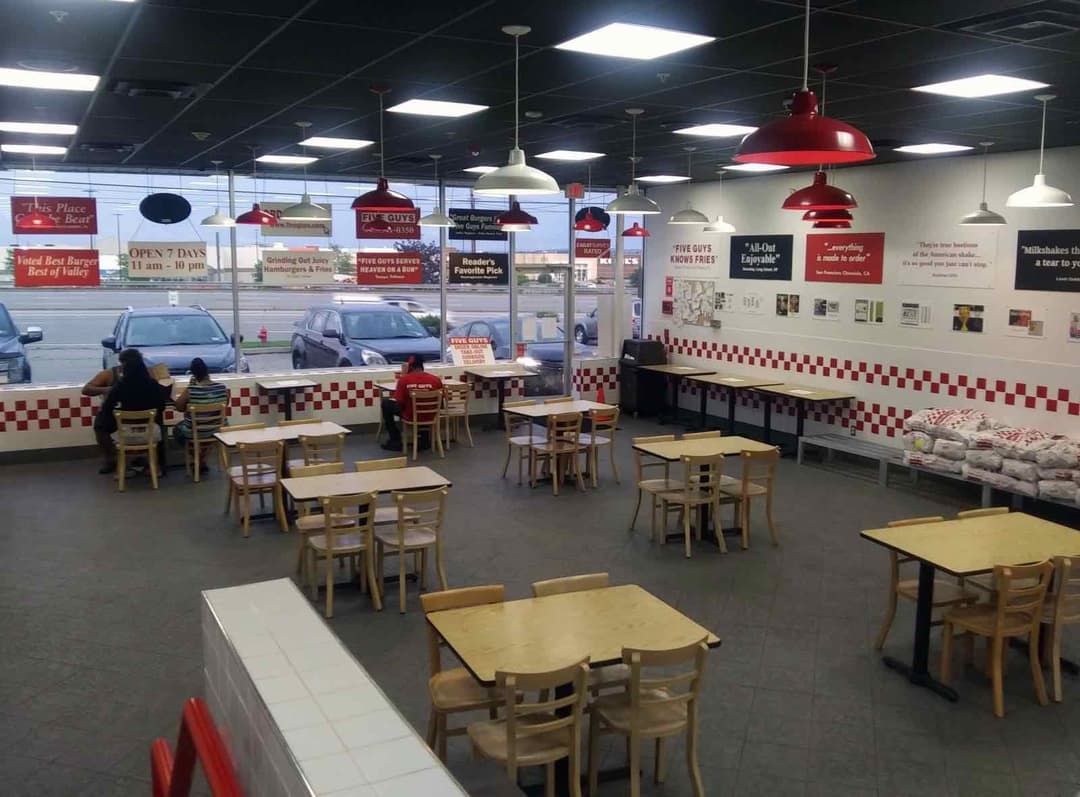
The Five Guys Testimonial Theory: How to Earn Brand Reputation
A Five Guys testimonial wall taught me how to build brand equity, and why displaying your brand reputation everywhere matters more than where the testimonials come from.
 Marketing Strategy
What Is a Fractional CMO?
A fractional CMO gives growing businesses senior marketing leadership without the cost of a full-time executive. Here's what a fractional CMO does, who needs one, and how the model works.
 Marketing Strategy
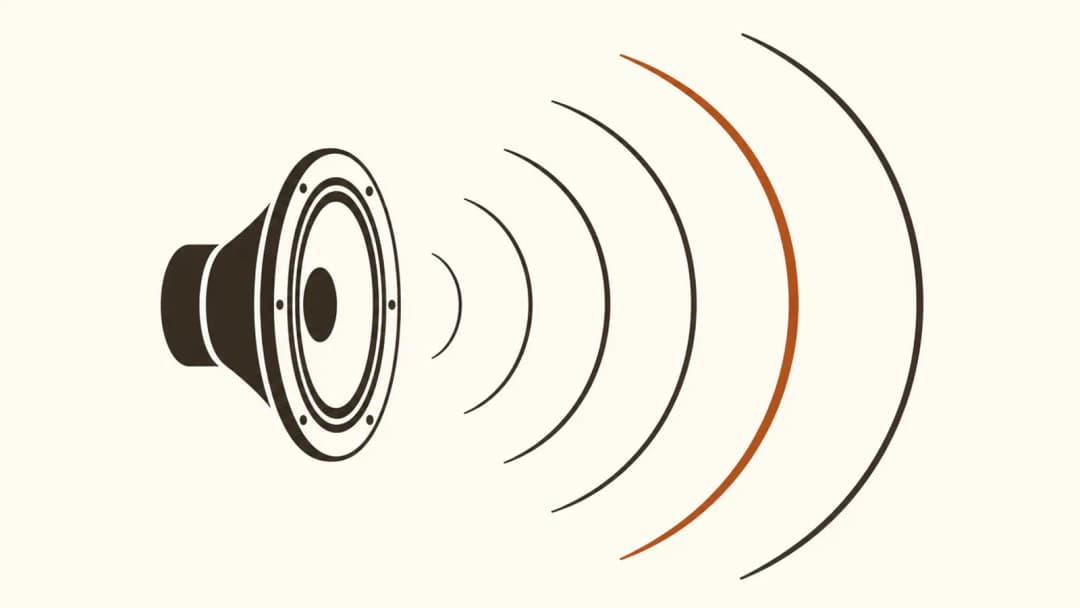
Audio Branding: The Channel Most Small Businesses Ignore
Audio branding is treated as something only large companies do. The mechanics are cheap and the attention landscape has shifted toward audio. Here is what is actually worth doing at a small business scale.
 Marketing Strategy
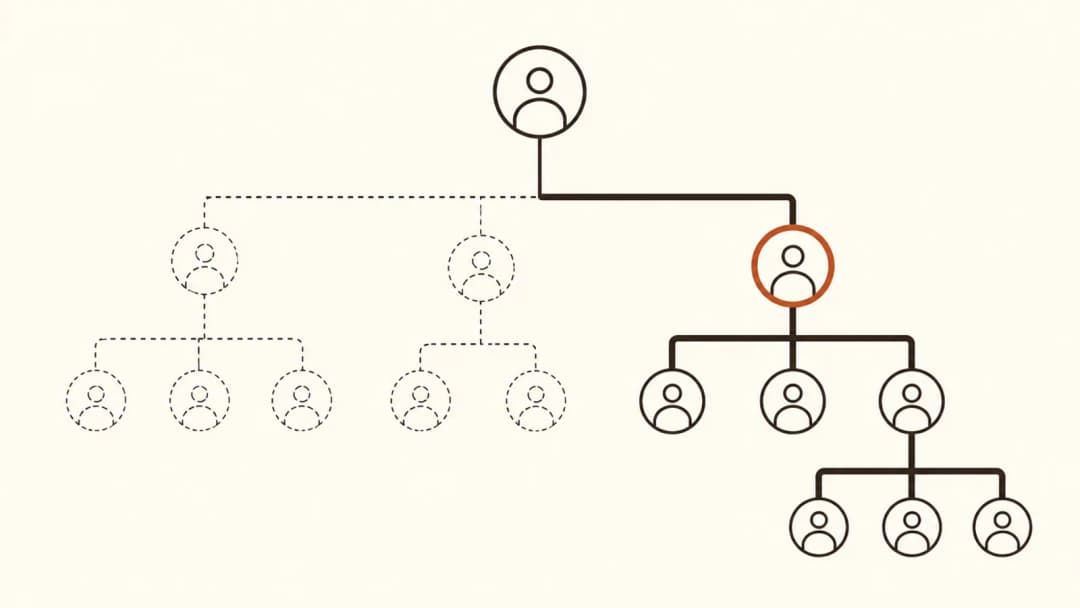
What Tech Layoffs Actually Signal About Marketing Budgets
Big tech layoffs get read as a recession signal. Usually they are a reallocation signal, and reading them correctly tells you where marketing budgets are moving before your competitors notice.