Google Ads for Small Business: Where the Budget Actually Leaks
Most small businesses can't run Google Ads the way it's meant to be run. Here's where the budget actually leaks, and what I recommend instead.

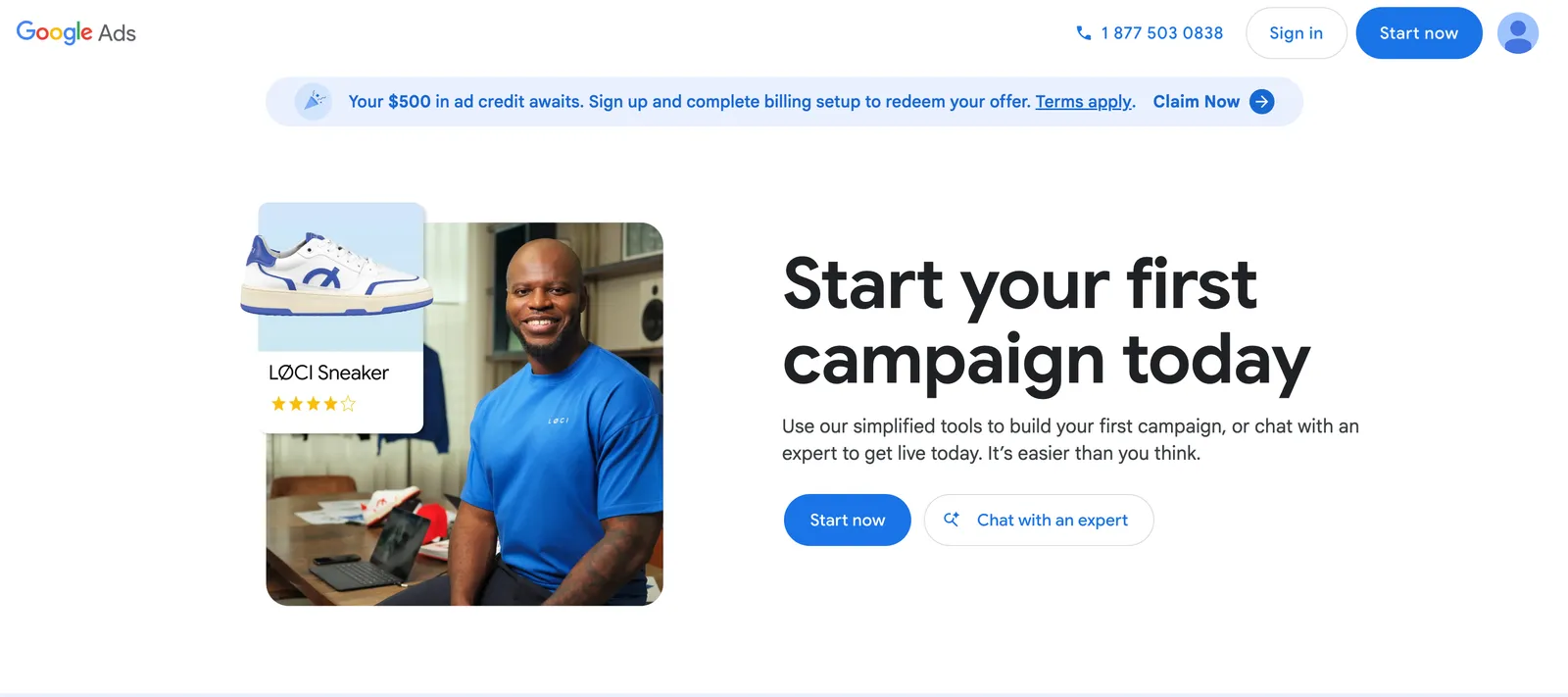
Google Ads is just complicated
The biggest problem with Google Ads is that it's genuinely complicated. There are half a dozen campaign types, and most of them need real budget, often a thousand dollars or more each, before they start performing well. Most small businesses simply don't have that kind of money to spread across multiple campaign types at once.
That's exactly why so many agencies default to the same move.
Why everyone runs Performance Max on autopilot
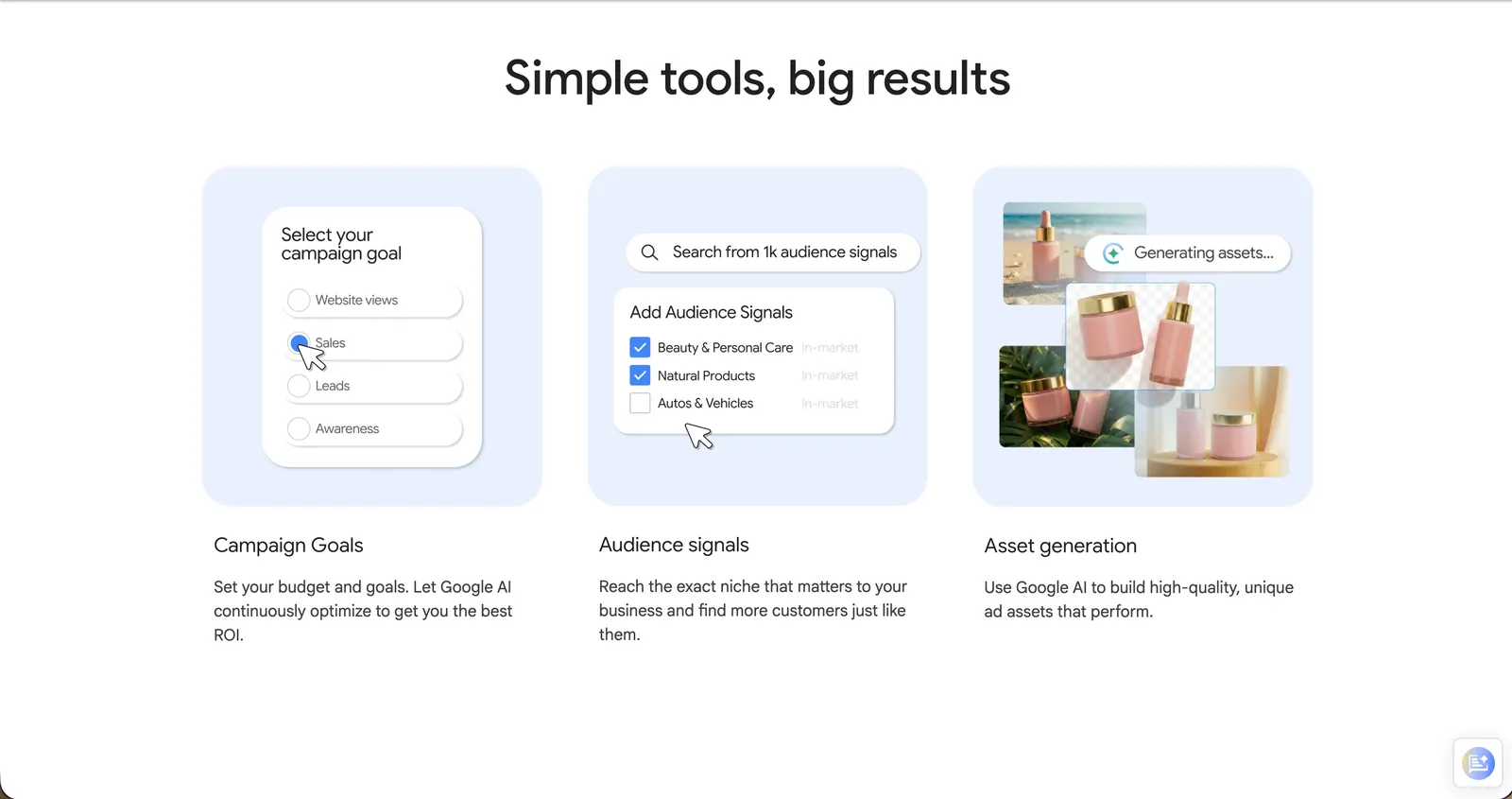
Instead of juggling campaign types, most agencies run a single Performance Max campaign, flip it to low-maintenance mode, and let Google run the ads on autopilot. This does work. Google's automation is genuinely good.
But it removes almost all the strategy on your end, and it comes at a noticeably higher cost per result than if someone were actually watching the account. You're trading control and efficiency for simplicity.
The daily grind that actually saves money
Here's my second opinion on Google Ads: you can make meaningful changes every single day that reduce spend and improve conversions in real ways. Checking bids, pausing weak placements, adjusting budgets, it's a genuine pain to do every day. But if you do it right, it makes a real difference to your cost per lead.
Most small businesses aren't set up to do that daily work themselves, and most agencies aren't billing enough to do it properly either.
Why I run it as a programmatic system
Because of that gap, I'm a big advocate for running Google Ads as a programmatic system managed through AI. I actually built an MCP, a tool that connects an AI agent directly to Google Ads, specifically to handle this kind of daily optimization. The catch is that it's additional cost on top of ad spend and management fees.
That's also why I generally don't recommend Google Ads to small businesses unless they have at least $2,500 a month to spend. Below that number, you don't have the room to actually test and optimize, and you end up paying full price for an account nobody is really steering.
Where Google Ads fits in a real plan
Google Ads is a short-term lever like Meta, just one that needs a bigger budget commitment before the math starts working in your favor. I manage Google Ads as part of my paid ads management services, and I'll tell you honestly if your budget isn't there yet instead of taking the account anyway.
For the platforms that work at a smaller budget, see my honest take on OpenAI ads and on Facebook and Instagram ads.
More Notes
 Advertising
Facebook and Instagram Ads: What Actually Works for Small Business
Meta ads are one of my favorite platforms to run because almost every audience uses a Meta product somewhere. Here's what actually moves the needle.
 Advertising
What Running Ads for Dozens of Clients Taught Me About Marketing
The biggest lesson from running paid ads across dozens of clients isn't a platform trick. It's that most agencies put brands in a box that doesn't fit.
 Advertising
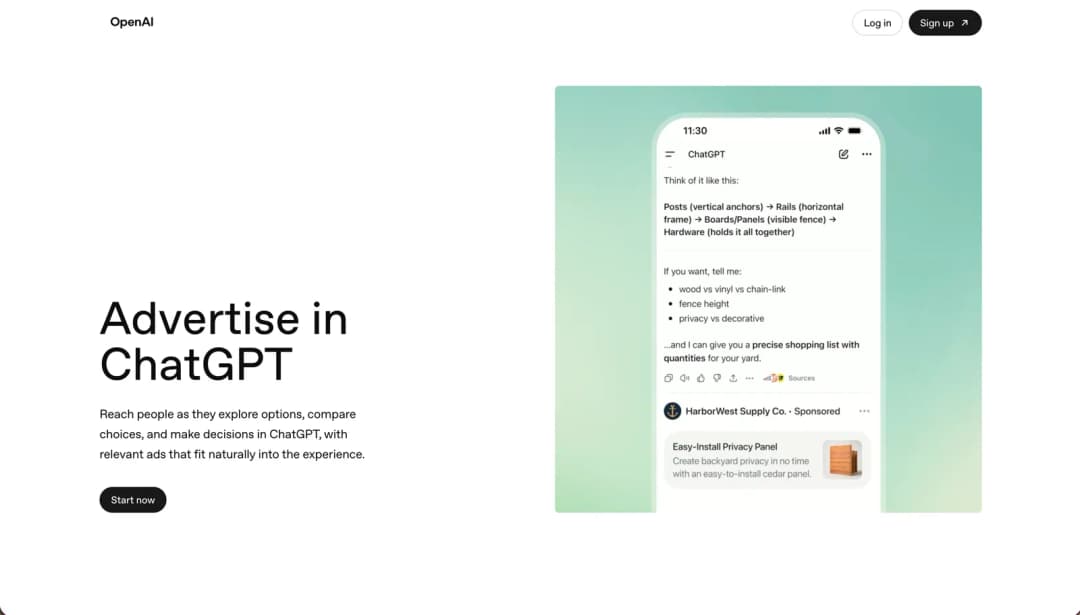
OpenAI Ads: My Honest Review After Running Them Since Beta
I've been running OpenAI ads since the beta opened in June. Here's what the impressions, the clicks, and the setup actually look like.
 AI Tools
The Apple–OpenAI Breakup: What Tech's Messiest Divorce Teaches Marketers
Apple and OpenAI went from the biggest distribution deal in tech to a trade-secrets lawsuit in two years. Here's what the breakup teaches marketers about borrowed distribution.